

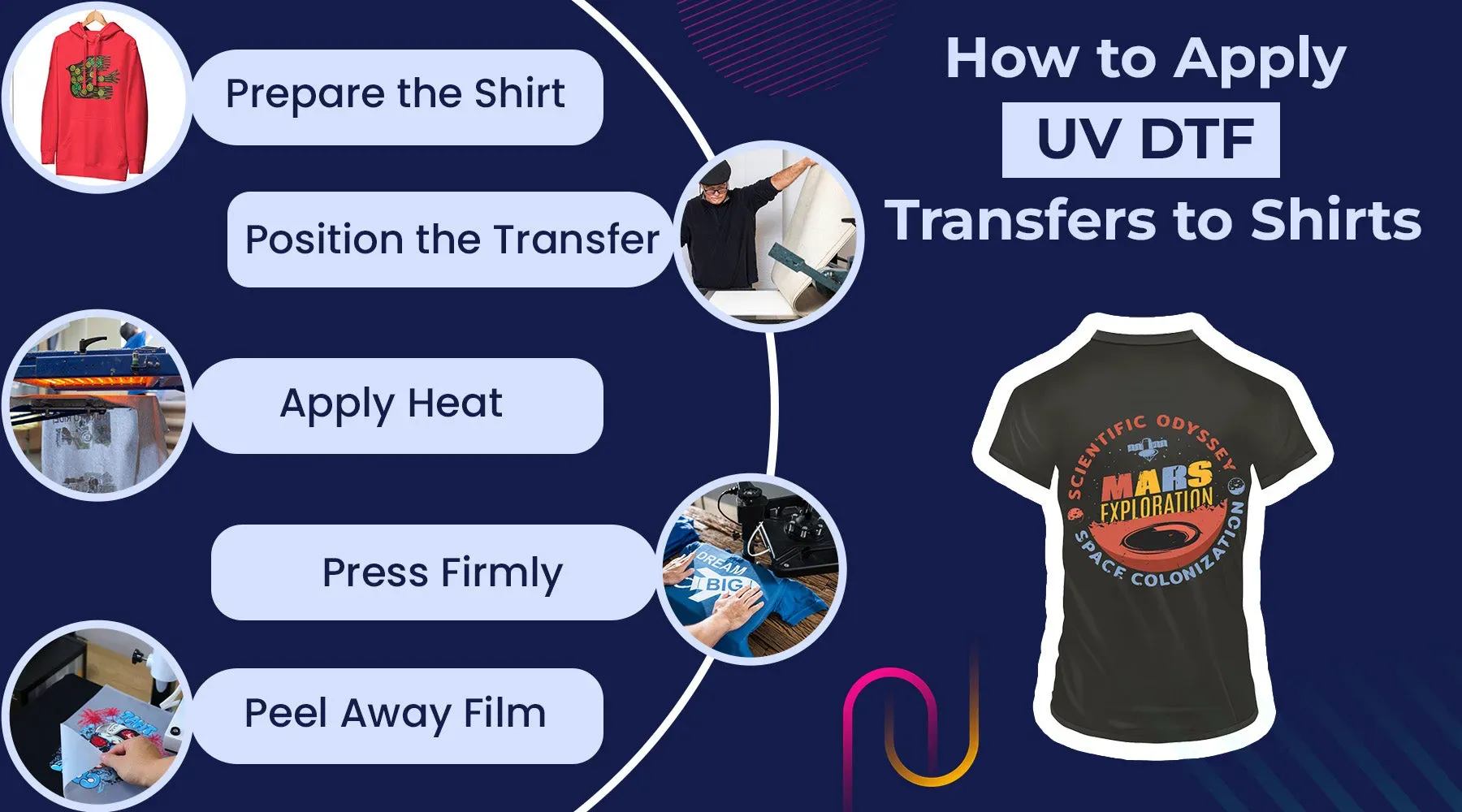
UV DTF Transfer unlocks vibrant, lasting designs by blending UV-curable inks with specialized transfer media for textiles, mugs, and more, offering a modern option for both hobbyists and professionals, with sharp color, resilience to washing, and easy customization. If you’re new to this process, understanding the materials you’ll need lays a solid foundation for consistent results and minimizes early frustrations. This quick introduction highlights core setup and handy references like DTF transfer film, so you can plan a smooth workflow from pigment choice to final heat press, with tips on calibration and troubleshooting. A practical materials list helps you compare films, inks, adhesives, and heat tools, empowering you to select compatible components and avoid costly missteps, while keeping an eye on budget and supplier reliability. With clear sourcing guidance and a focus on the essentials, you’ll be ready to launch your first project confidently using UV DTF Transfer, and scale as your skills and demand grow.
Viewed through an LSI lens, the concept translates to ultraviolet-activated printing on transfer media, where color is built with UV-curable inks and a specialty sheet designed for clean release. In this framing, terms like transfer film, ink system, white underbase, and heat-press settings map to the same workflow under different wording, emphasizing durability and color accuracy. This approach aligns with modern digital textile printing, using UV curing to speed up production while preserving detail on textiles, mugs, and non-traditional substrates. Selecting compatible media, inks, and adhesives remains critical, but the emphasis shifts toward curing behavior, substrate compatibility, and finish quality.
1) Understanding UV DTF Transfer: What It Is and Why It Works
UV DTF Transfer represents a modern take on heat transfer, combining UV-curable inks with a specialized DTF transfer film to produce bright, durable designs on textiles, mugs, and other substrates. This approach leverages rapid curing and stable film chemistry to create transfers that resist fading and cracking, even after multiple wash cycles. By understanding the core workflow, you can plan a project that aligns with your substrate needs and color expectations.
The appeal of UV DTF Transfer lies in its flexibility and potential for high color density. It works best when you match the right film, ink, and adhesive combination for each substrate, whether cotton, polyester blends, ceramic mugs, or hard surfaces. As you explore UV DTF, you’ll encounter a broader ecosystem of materials designed to optimize adhesion, brightness, and durability across a range of applications.
2) Essential Materials for UV DTF Transfer: Film, Inks, and Adhesives
A successful UV DTF project starts with the right set of materials, collectively forming the UV DTF transfer materials you’ll rely on. The core elements include UV DTF transfer film or PET transfer film, a compatible ink system, and any required adhesive or powder to create a tacky surface for gripping the substrate. Keeping a DTF transfer materials list handy ensures you don’t overlook crucial items during setup.
In practice, you’ll typically use UV-curable inks (sometimes with a white underbase for dark fabrics) and CMYK colors that render vibrant, sharp images. The DTF ink and adhesive pairings must be compatible with your printer and transfer film, and some workflows may rely on a specific powder or adhesive layer to guarantee clean release and strong bonds under heat.
3) Building Your DTF Transfer Materials List: Organizing for Success
A well-organized DTF transfer materials list speeds up production and reduces costly misorders. Start by cataloging film specifications, including thickness (commonly 100–160 microns for DTF-like processes) and release properties, then pair them with compatible inks and heat-press settings. An up-to-date list helps you compare options across suppliers and ensures consistency across batches.
Next, map out consumables such as release sheets, protective gear, cleaning solutions, and printhead care supplies. Knowing where to source items—whether directly from manufacturers, reputable retailers, or local print shops—helps you assemble a reliable inventory. Documentation of each item’s compatibility with your UV DTF workflow minimizes the risk of color shifts or adhesion failures.
4) Selecting DTF Transfer Film and Inks for Durable Prints
Choosing the right DTF transfer film is critical for durability and color fidelity. Film thickness, release properties, and compatibility with your printer’s ink system influence how well the transfer peels, bonds, and survives washing. A film in the 100–160 micron range is a common target for many UV-based workflows, but always align thickness with your substrate and heat-press guidelines.
The ink system is equally important. Look for UV-curable inks designed for DTF workflows, with reliable white underbase options for dark fabrics and strong CMYK performance for vibrant imagery. Always verify that your DTF ink and adhesive choices are formulated to work with the transfer film, as mismatches can lead to poor adhesion, color drift, or surface imperfections.
5) Where to Buy DTF Transfers and Supplies: Sourcing Tips
Knowing where to buy DTF transfers and associated materials matters for quality and cost. Consider options from manufacturers, reputable e-commerce platforms with clear specs and reviews, and local print supply shops that provide hands-on service. For beginners, starter kits that include a selection of DTF transfer film, inks, and adhesives can jump-start projects and help you learn compatibility.
When evaluating suppliers, compare film quality, ink compatibility, and the availability of support documents or warranty coverage. A DTF ink and adhesive kit may streamline your initial setup and help you avoid buying incompatible items. Always request a test print and a materials list from a vendor to ensure your project uses the correct items for UV DTF Transfer workflows.
6) Optimizing UV DTF Transfer Workflow: Tips, Cures, and Troubleshooting
A smooth UV DTF transfer workflow hinges on precise curing, appropriate heat, and careful handling of materials. Design files with correct color profiles, print on UV DTF transfer film using recommended settings, and apply powder or adhesive only when required by your process. Cure or dry the ink as specified by the product guidelines to ensure stable color and strong bond strength.
Common issues include uneven heat distribution, improper dwell times, or substrate-specific bonding challenges. Regular maintenance of printers and heat presses reduces color drift and keeps your DTF transfer film and UV inks performing consistently. If you encounter banding, recheck film compatibility with your inks and verify that you’re following the recommended curing time and temperature for your UV DTF Transfer setup.
Frequently Asked Questions
What is UV DTF Transfer and what are the key components in the UV DTF transfer materials?
UV DTF Transfer blends UV-curable inks with a specialized transfer film to produce vibrant prints on textiles and other substrates. Core UV DTF transfer materials include a suitable UV DTF transfer film, an ink system compatible with UV-curable inks (often a white underbase plus CMYK), and an adhesive or powder option depending on the workflow. Keeping a DTF transfer materials list handy helps ensure all items are compatible before you print.
How does UV DTF Transfer differ from traditional DTF in terms of DTF transfer film and ink (DTF ink and adhesive)?
UV DTF Transfer relies on UV-curable inks and a film designed for UV exposure, which can change how the film, ink, and any powder or adhesive behave compared with traditional DTF. The DTF transfer film used in UV workflows is chosen for fast curing and clean release, while the DTF ink and adhesive setup may differ from standard water-based inks and powders. Always check your film and ink compatibility to avoid issues like poor adhesion or color shifts.
Where to buy DTF transfers and materials for UV DTF Transfer?
To source supplies for UV DTF Transfer, consider buying directly from manufacturers or reputable print-supplies platforms that clearly list film, inks, and adhesives compatible with UV workflows. In practice, you’ll want to compare the DTF transfer film quality, verify DTF ink compatibility, and look for test prints or warranty information when evaluating where to buy DTF transfers.
What role does the DTF transfer film play in UV DTF Transfer and what thickness should you use?
DTF transfer film is the backbone of UV DTF Transfer; choose a film with the right thickness (commonly around 100–160 microns) and good release properties for clean transfers. Film thickness should match your printer and substrate, and always follow the ink vendor’s guidance for curing and handling.
What should be included in a DTF transfer materials list for starting a UV DTF Transfer project?
A practical UV DTF project starts with a solid DTF transfer materials list. Include the DTF transfer film, UV-curable inks (white underbase + CMYK), an optional powder or adhesive, primers if needed, a heat press, release sheets, and cleaning supplies. Verifying compatibility among items helps prevent color shifts and bond failures.
How can you ensure color accuracy and durability in UV DTF Transfer using DTF ink and adhesive?
For best color accuracy and durability in UV DTF Transfer, calibrate your print workflow with test prints, using the right white underbase and CMYK inks for UV curing. Use DTF ink and adhesive that are designed for your transfer film, and consider a post-cure or final press to improve bond strength. Regularly verify adhesion on your substrate type.
| Aspect | Key Points |
|---|---|
| Definition of UV DTF Transfer | A technique that blends UV-curable inks with specialized transfer media to produce bright, durable designs on textiles, mugs, and other substrates. |
| What is UV DTF Transfer? | A DTF-like workflow using UV-curable inks or a UV exposure step to cure inks quickly on transfer film, yielding vibrant images that transfer to a wide range of fabrics and substrates. UV DTF equipment may integrate UV-curable inks and a specialized transfer film designed to react under UV exposure. |
| Materials You’ll Need |
|
| Where to Buy DTF Transfers | Direct from manufacturers, reputable e‑commerce platforms, local print supply shops, and beginner-friendly design studios. Compare DTF transfer film quality, ink compatibility, and available support/warranty. Consider test prints and a clear materials list from suppliers to ensure item compatibility. |
| Choosing the Right Materials |
|
| Step-by-Step Workflow |
|
| Tips, Tricks, and Common Mistakes |
|
| Sample Comparison |
|