

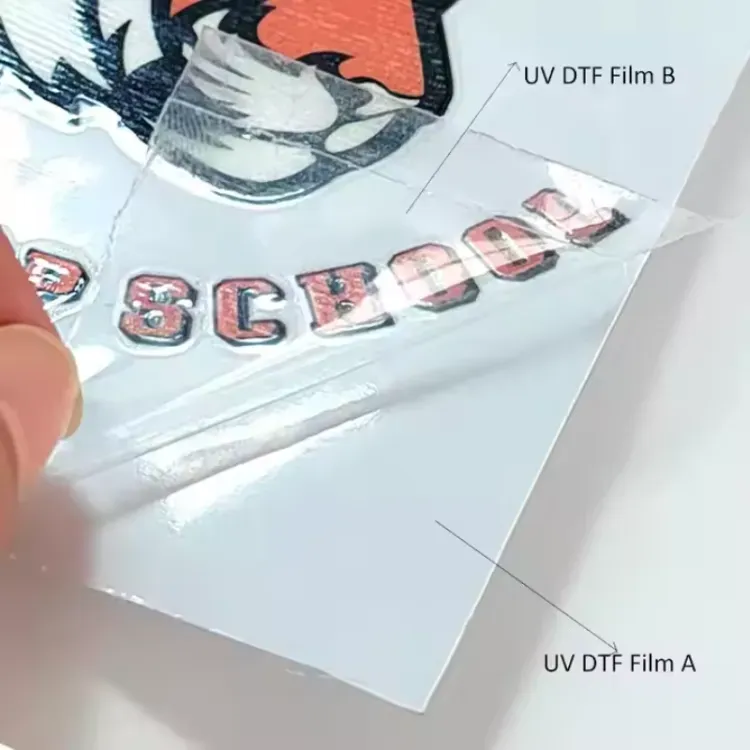
UV DTF transfer materials are the foundation of vibrant garment decoration and product printing. Choosing the right inks, films, and transfer setups directly affects color accuracy, durability, and workflow efficiency. When you optimize UV DTF inks, DTF film types, and the transfer process, you unlock reliable adhesion and cleaner edges. This guide also includes UV DTF printing considerations and DTF transfer quality tips to help you maintain consistency. By calibrating color management and testing substrates, you can scale production without sacrificing image quality.
Expanding the language, think of UV-curable pigment inks used in digital transfer workflows, along with different DTF film varieties that affect clarity and fabric compatibility. Alternative phrasing emphasizes the transfer process, including printer settings, adhesive options, and post-press handling that drive consistency and color fidelity. LSI-informed terms like substrate compatibility, color management, and durability testing help readers connect ideas without relying on a single keyword. By framing the concept in these related terms, designers and printers can discover guidance on UV printing, film choices, and setup optimization even when searches vary.
Choosing the Best UV DTF Inks for Color Accuracy and Durability
Selecting UV DTF inks is foundational to color accuracy and durability. Look for inks with a wide color gamut, strong lightfastness, and compatibility with your primary fabrics. UV DTF inks cure instantly under UV LED, which helps prevent smearing and enables immediate handling after cure. Pair these inks with a high-quality film and robust color management to reproduce true-to-design images across cotton, blends, and synthetics.
When evaluating UV DTF inks, consider viscosity, nozzle health, and print-head compatibility to maintain consistent density across high-resolution runs. Establish a reproducible color management pipeline: calibrate with reliable ICC profiles, print test swatches on your typical garment types, and maintain ink-lot logs. This discipline reduces color drift and speeds batch-to-batch consistency in UV DTF printing workflows.
Understanding DTF Film Types: How Film Characteristics Impact Transfers
DTF film types directly influence edge sharpness, color fidelity, and hand feel. Film thickness typically ranges from 60 to 120 microns, with thinner films offering faster cure times and denser color, while thicker films provide stability on challenging textures. Matte films reduce glare and yield a softer hand, while gloss options can deliver deeper saturation for high-contrast designs.
Release coating, liner quality, and adhesion compatibility determine how cleanly the printed image transfers. Choose film compatible with your adhesive method (powder-based or pre-coated) and match storage practices to fabric types. Proper handling and storage—away from heat and humidity—help preserve surface finish and transfer performance across DTF film types.
Optimizing UV DTF Transfer Setups for Consistency and Speed
A well-tuned UV DTF transfer setup is the engine of predictable results. Use a capable printer with reliable UV inks and a RIP that supports color management, tiling, and soft proofing. Calibrate color profiles for target fabrics and finishes, because a robust RIP helps control ink density, ramp times, and reduces color drift across runs within UV DTF transfer setups.
Adhesive options—powder-based versus pre-coated films—drastically influence workflow reliability. Powder requires applying and fusing the adhesive, while pre-coated films simplify handling and reduce variables. Ensure you have proper curing for the inks, appropriate heat press temperatures, and a consistent peel method to minimize edge lifting and ensure reproducible transfers.
UV DTF Printing Essentials: From Design to Transfer
In the design-to-transfer path, prepare artwork with a focus on resolution, color space, and bleed to account for substrate variability. Use calibrated color workflows and soft proofing to evaluate on-screen accuracy before printing. Proper file prep and pre-press checks set the stage for reliable UV DTF printing results and reduce surprises later in the process.
The printing stage benefits from a defined post-print workflow, including drying or short post-curing and consistent substrate pretreatments when required. Maintain test swatches across fabrics to confirm color density, edge fidelity, and compatibility with your chosen DTF film types and adhesives in the overall UV DTF printing process.
DTF Transfer Quality Tips: Troubleshooting and Quality Assurance
DTF transfer quality tips emphasize proactive inspection and rapid troubleshooting. Common issues include fading after washing, edge lifting, and smudging during handling. Ensure full ink cure before transfer, verify fabric compatibility, and implement a strict post-wash testing protocol to catch color shifts early.
To prevent recurrent problems, standardize material sources and maintain stable environmental conditions. Document run settings and perform control tests on representative garments. Regularly verify film tension, adhesive coverage, and press parameters to sustain consistent transfer quality.
UV DTF Transfer Materials: A Complete Guide to Inks, Films, and Setups
UV DTF transfer materials are defined by the three pillars: UV DTF inks, DTF film types, and transfer setups. When you align high-clarity UV inks with compatible films and a reliable transfer workflow, you control color accuracy, durability, and production efficiency across fabrics and substrates.
During integration, establish SOPs for each garment type, create a color-proofing method, and implement a maintenance plan for printers, curing lamps, and heat presses. By documenting batch data and validating results with test garments, you build a scalable operation that consistently delivers vibrant, durable transfers.
Frequently Asked Questions
What are UV DTF transfer materials and why are they essential for reliable UV DTF printing?
UV DTF transfer materials refer to the core trio: UV DTF inks, DTF film types, and the transfer setup used in UV DTF printing. The right combination delivers accurate color, strong adhesion, and efficient workflow across fabrics, with proper curing and handling reducing defects.
How do UV DTF inks influence color accuracy and wash resistance in UV DTF printing?
UV DTF inks define color gamut, brightness, and cure behavior critical for color accuracy and durability. When paired with suitable DTF film types and substrates, properly cured inks offer vibrant designs with improved wash resistance and long-term image stability.
Which DTF film types work best for different fabrics when doing UV DTF printing?
DTF film types differ in thickness, gloss, and release coatings, affecting color density and handling. Choose film types based on fabric type (cotton, blends, synthetics) and adhesion needs, then validate with control prints to prevent ghosting or edge lifting.
What are the key steps in a successful UV DTF transfer setup?
A successful UV DTF transfer setup includes a calibrated printer with a color-managed RIP, optimized print parameters, choosing between powder-based vs pre-coated adhesives, proper ink curing, and a heat-press step with appropriate temperature, time, and pressure, followed by the correct peeling method.
What are common UV DTF printing issues and the transfer quality tips to address them?
Common issues include color fading, edge peeling, smudging, and white edge bleeding. Transfer quality tips include ensuring full ink cure, selecting compatible film and adhesive, applying correct peel timing, and performing test runs to tune settings across fabrics.
How can I optimize UV DTF transfer quality tips for consistent batch results?
Adopt standard operating procedures (SOPs), implement color proofing with ICC profiles, log ink lots and curing conditions, monitor environmental factors, and use DT F transfer quality tips to maintain consistency across batches and reduce color drift.
| Aspect | Key Points | Notes |
|---|---|---|
| UV DTF Inks | Designed for UV-curable pigment technology; focus on color accuracy, brightness, cure time, and substrate compatibility. Consider viscosity, nozzle health, drying/post-curing, and reproducible color management with ICC profiles and test swatches. | Color, durability, and workflow reliability depend on ink choices and proper curing. |
| DTF Film Types | Film thickness (60–120 µm), matte vs gloss, release coating, liner quality, and adhesion compatibility (powder-based vs pre-coated). Storage considerations are essential. | Film choice influences clarity, color density, adhesion, and handling ease. |
| Setups: UV DTF Transfer Setups | Printer & RIP workflow, print parameters, adhesive options, curing, powder handling (if used), heat press temps, peeling method, and post-processing/testing. | A coordinated system aligns inks, film, and adhesive for consistent production. |
| Integration Tips | SOPs, color proofing, optimized workflow spacing, safety/ventilation, and inventory management. | Reduces errors and improves efficiency across runs. |
| Quality Control & Troubleshooting | Common issues: color fading, edge lifting, smudging, white edge bleeding, and batch variability; apply fixes like ensuring cure, correct peel, and standardized materials. | Maintains consistent quality and repeatability. |
| Maintenance & Storage | Store inks, films, adhesives properly; regular equipment maintenance (heads, lamp intensity, press calibration). | Prolongs material life and print quality. |
Summary
UV DTF transfer materials provide the foundation for vibrant, durable prints by integrating inks, films, and transfer setups into a cohesive workflow. Proper ink selection (color accuracy, brightness, cure), appropriate film choice (thickness, finish, adhesion compatibility), and a well-tuned transfer setup (printer, RIP, heat press, curing) collectively impact color fidelity, durability, and production efficiency. Ongoing integration tips, rigorous quality control, and careful maintenance ensure consistency across batches and substrates, enabling scalable, reliable UV DTF transfers.