

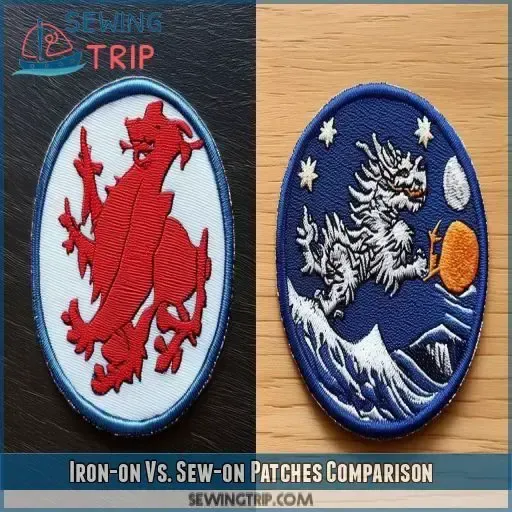
Iron-On vs Sew-On Patches is a popular topic in fabric decoration as people weigh quick application against lasting durability. This intro compares how each method works and highlights iron-on patches pros and cons, sew-on patches advantages, and which is the best patch method for different fabrics. It also touches on how to choose patch methods for longevity, washability, and daily wear. First, you’ll learn where iron-on patches excel on sturdy fabrics like cotton and denim, and where sew-on patches shine in high-wear areas. Whether you’re reviving a thrift-store jacket or customizing a bag, selecting the right approach can extend the life of your project.
Another way to frame this discussion is to compare adhesive-backed patches with stitched emblems, each offering distinct installation and durability profiles. LSI-friendly concepts like heat-activation, mechanical bonding, fabric compatibility, and wash durability tie these options to common materials and care routines. Exploring these terms helps readers see how the same goal—decorative patches that last—can be achieved with different techniques.
Iron-On vs Sew-On Patches: Quick Comparison
Choosing between iron-on patches and sew-on patches starts with your priorities: speed, durability, and fabric type. The idea of iron-on patches pros and cons highlights a trade-off: fast application and no sewing, but potential heat sensitivity and wear. For a quick upgrade on sturdy fabrics like cotton or denim, iron-on patches can be the best patch method when you want a clean, flat look.
Meanwhile, sew-on patches rely on stitching to create a bond that survives repeated washing and heavy use. They excel on stretch fabrics or slick synthetics and offer a longer-term hold, showcasing the sew-on patches advantages. When you’re deciding, consider how often you’ll wash the item and whether you want a hidden or visible stitch line to match your style, as durability and appearance both factor into the optimal choice.
Durability Showdown: Which Patch Style Holds Up Over Time
Durability is often the deciding factor. Iron-on patches can be surprisingly sturdy on cotton and denim when you follow heat-safe guidelines and use a protective layer during ironing. Still, high heat, heavy agitation, or frequent washing can weaken the adhesive, leading to peeling or detachment over time. This is where patch durability tips come into play: selecting fabrics with a tight weave and controlling wash conditions can extend the life of iron-on patches.
Sew-on patches tend to offer higher long-term durability, especially in high-wear areas like knees, elbows, or backpack straps. The stitched bond withstands repeated washing and dryer cycles better than many iron-on patches. If you anticipate heavy use, a sew-on patch is often the safer bet, aligning with the widely recognized sew-on patches advantages and providing more robust performance under stress.
Fabric Compatibility and Use Cases: Cotton, Denim, Knits, and More
Fabric compatibility drives how you apply patches. Cotton, denim, canvas are excellent candidates for iron-on patches because they have a tight weave that holds the adhesive when heat is applied. For leather, suede, or very slick fabrics, iron-on patches may not adhere well and can peel quickly, especially if the surface isn’t perfectly clean and dry. This is a practical reminder to consider how to choose patch methods for each material.
Sew-on patches shine on most fabrics, including knits and synthetics. Even delicate materials like lightweight jersey or delicate blends can benefit from the durability of stitched patches, as long as you’re comfortable with a visible stitch line or you choose a thread color that blends with the fabric. In general, fabric type guides your method choice and helps you balance appearance with longevity.
Application Techniques: Iron-On Patch Steps vs Sew-On Patch Steps
Step-by-step: How to Apply Iron-On Patches. Prep the fabric, position the patch, cover with a barrier, apply heat with the right pressure, and test adhesion. The method is quick, making it ideal for beginners who want a clean, edge-to-edge look. To ensure the best outcome, follow the patch instructions and consider patch durability tips to extend the bond past the initial heat press.
Step-by-step: How to Sew-On Patches. Thread matching the border, pin or baste, stitch around the patch with a tight zigzag or satin stitch, and finish with secure knots. This method takes longer but creates a bond that can withstand heavy washing and wear. If you’re after a durable finish, this is often the best patch method for high-use items, with careful color and stitch choices to minimize visible stitching.
Care and Maintenance: Extending Patch Life
Care tips to extend patch life begin with washing habits. Turn garments inside out, use cold water when possible, and air-dry whenever feasible. Iron-on patches benefit from avoiding high heat cycles, while sewn patches are less sensitive to heat but still benefit from gentle handling to preserve stitching and edge integrity.
Patch durability tips emphasize regular inspection and prompt re-stitching or re-application as edges lift. If you plan to remove a patch, choose a method that preserves the fabric, particularly on older or delicate garments. With mindful care, patches can remain secure longer, maintaining both function and style.
Common Pitfalls and How to Choose Patch Methods
Placement and fit are common pitfalls. Use fabric chalk or removable pins to center patches and align them with seams for a professional look. Texture mismatch or thick seams can prevent adhesives from bonding fully, making a light stitch around the edges a helpful reinforcement.
Understanding how to choose patch methods helps you avoid costly mistakes. Test on a scrap swatch, start with iron-on on sturdier fabrics if you’re new to patching, and be prepared to sew if needed. This practical approach—guided by how to choose patch methods—lets you decide when iron-on is sufficient and when sew-on offers the needed durability for ongoing wear.
Frequently Asked Questions
Iron-On vs Sew-On Patches: Which is easier for beginners?
For beginners, Iron-On vs Sew-On Patches tend to favor iron-on options first, since iron-on patches are quick and require no sewing. However, consider the iron-on patches pros and cons—adhesive strength can weaken with high heat or frequent washing on some fabrics. If durability is a priority, weigh the sew-on patches advantages for a stronger, long-lasting bond, especially on denim or bags.
Iron-On vs Sew-On Patches on denim: which lasts longer?
On denim, sew-on patches advantages generally outperform in terms of durability because stitching creates a mechanical bond that withstands washing and abrasion. Iron-on patches pros and cons show that the adhesive may weaken with heat, friction, or repeated laundering. For heavy-use denim, the sewn method is typically the safer, longer-lasting choice.
Iron-On vs Sew-On Patches: What is the best patch method for high-wear areas?
The best patch method for high-wear areas is usually sew-on patches, due to their durable thread-based bond. Iron-on patches can work, but their adhesive may fail under constant rubbing or heat. When deciding, consider wear patterns and choose the method that offers the strongest bond for that specific location.
How to choose patch methods: Iron-On vs Sew-On Patches?
How to choose patch methods depends on fabric, washing, and use. For quick, clean results on cotton, denim, or canvas, iron-on patches are convenient. For knits, heavy use, or frequent washing, sew-on patches offer greater durability and a more reliable bond.
Iron-On vs Sew-On Patches: What are patch durability tips?
Patch durability tips include following heat guidelines and using a pressing cloth for iron-on patches, and reinforcing edges with a light stitch if you’re worried about edge lifting. For sew-on patches, use a tight zigzag or satin stitch and match thread color to blend or stand out as desired. Regularly inspect patches and repair lifting edges promptly to extend life.
Iron-On vs Sew-On Patches: Are they easy to remove or reposition, and which has the best patch durability tips for changes?
Sew-on patches advantages include the option to remove or reposition by carefully unthreading, though fabric damage is possible if not done gently. Iron-on patches are harder to remove cleanly and may leave residue, so reserve them for items you don’t plan to rework. If you anticipate changing patches, consider the patch durability tips and starting with sew-on for easier future edits.
| Aspect | Iron-On Patches | Sew-On Patches |
|---|---|---|
| Definition | Patch with heat-activated adhesive backing that bonds to fabric when heated. | Patch attached by stitching with needle and thread; no heat needed. |
| Ease of use | Quick, beginner-friendly; no sewing needed. | Requires sewing; more time and skill required. |
| Durability | Good on cotton/denim; may peel with heat/friction. | Typically more durable in high-wear areas. |
| Fabric compatibility | Best on cotton, denim, canvas; less ideal on leather or slick/stretch fabrics. | Works on most fabrics, including knits and synthetics. |
| Best use case | Casual items, quick decor. | High-wear items and where durability matters. |
| Care & washing | Heat-sensitive; may degrade with hot cycles. | Tends to tolerate regular washing; heat not required. |
Summary
Iron-On vs Sew-On Patches offer practical choices for decorating and repairing clothing, bags, and more. This comparison summarizes how each method works, their strengths, and when to choose one over the other. For light, quick decorating on compatible fabrics, iron-on patches provide a clean look; for long-lasting durability and fabric versatility, sew-on patches excel. Consider fabric type, wash routines, wear patterns, and time available to apply. By weighing these factors, you can select the patch method that extends the life of your garments and keeps your projects looking great.