

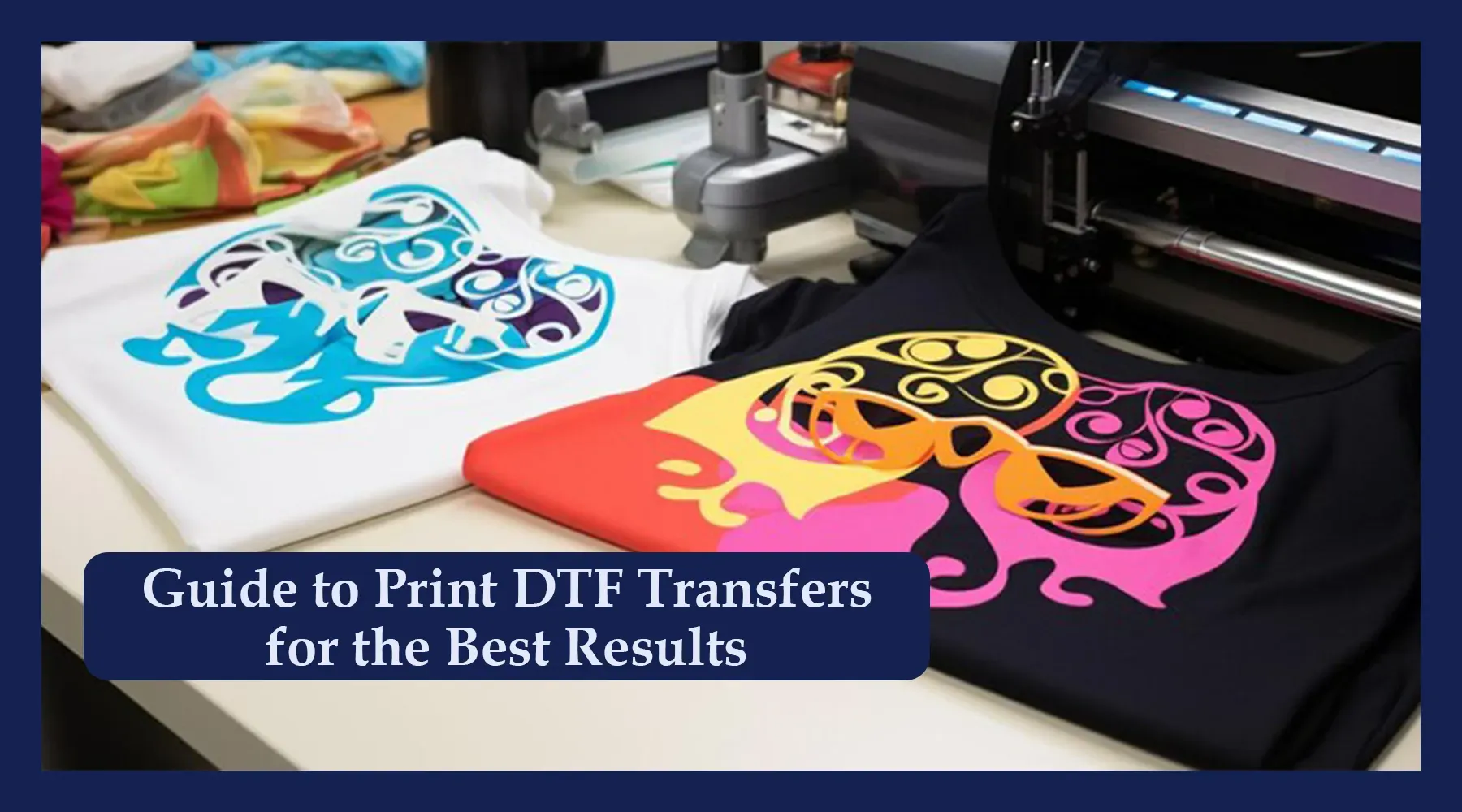
DTF transfers are transforming garment customization with a film-based printing option that delivers vibrant, durable designs on fabrics. If you’re exploring options, this guide explains how DTF transfers work, comparing it to DTG and traditional heat transfers. You’ll learn about the direct-to-film printing process and the DTF printing steps, plus the DTF materials and supplies you’ll need, from printers and inks to adhesive powders and heat presses. DTF vs heat transfer is a common comparison, with DTF offering vibrant color and a soft hand feel across many fabrics. By following best practices, testing on samples, and documenting your settings, you can master DTF transfers and achieve professional, repeatable results.
A film-based garment transfer approach, often called a direct-to-film workflow, brings vibrant designs to a wide variety of fabrics. This alternative uses a printable PET film, white backing, and an adhesive powder to bond artwork to textiles without dye-sublimation. You’ll hear terms like the film printing route, underbase opacity, and a heat-press step described as part of the mechanism that secures the image. Compared with conventional heat transfers or DTG, this approach offers flexible production, shorter setup, and strong color fidelity across garments.
Understanding the Direct-to-Film Printing Process
The direct-to-film printing process is the core method behind DTF transfers, where a specialized printer lays down CMYK inks on a PET film, often with a white layer to boost opacity on darker fabrics. This film carries the full-color design until it’s heat transferred to the garment with an adhesive powder, resulting in vibrant imagery and smooth gradients that rival traditional methods. By separating the print medium from the substrate, you gain flexibility across fabrics and production scales.
DTF transfers leverage this film-based approach to achieve durable, high-fidelity results on a wide range of textiles. The process supports short runs and quick customization while maintaining color depth and a soft hand feel, making it a compelling alternative to DTG or classic heat-transfer methods. Understanding this core workflow helps you plan how best to integrate DTF into your garment decorating toolkit.
DTF Printing Steps: From Design to Transfer
DTF printing steps start with a well-prepared design and prepress workflow. Create artwork at high resolution, manage colors accurately, and plan a white underbase if you’re working with dark fabrics. A RIP or design software helps separate colors and set print-ready parameters so the printed film reproduces the intended design faithfully.
Next comes printing on the PET film, where CMYK colors are applied first, followed by the white layer when opacity is required. After printing, the film must dry or cure properly to prevent smudges. The powder coating and curing stage then applies an adhesive powder and melts it into the ink, creating a strong bond for transfer during heat pressing.
DTF vs Heat Transfer: Pros, Cons, and Use Cases
DTF transfers occupy a middle ground between DTG and traditional heat transfer, offering vibrant color, broad fabric compatibility, and a softer hand than many vinyl or paper-based transfers. This balance makes DTF appealing for short runs and customized designs on a variety of fabrics, from cotton to blends.
Traditional heat transfer can be versatile and durable but may add weight or cracking risks on certain fabrics, while DTG excels in color fidelity but often requires higher upfront investment and fabric limitations. DTF transfers provide a practical compromise, delivering strong adhesion, color stability, and cost efficiency for small to mid-sized production runs.
DTF Materials and Supplies You Need to Start
Getting started with DTF involves a practical set of materials and equipment. You’ll typically need a dedicated DTF-capable printer or a modified inkjet with CMYK and white ink capability, PET transfer film, and the appropriate cyan, magenta, yellow, black, and white inks. An adhesive powder, a curing device, and a reliable heat press are essential, along with cleaning supplies and RIP software to manage color accuracy.
Choosing the right combination of film, powder, and inks is crucial for reliable results. Higher-quality PET film tends to yield crisper images, while powder consistency and even application reduce speckling. Fabric considerations, maintenance routines, and a well-supported workflow all influence long-term print quality and equipment lifespan.
How DTF Transfers Work: From Ink on Film to a Wearable Print
How DTF transfers work centers on transferring a printed and powder-coated film onto fabric through heat and pressure. The white underbase (when used) improves opacity on dark fabrics, and the adhesive powder melts to fix the design to the garment during curing. This layered approach creates a durable transfer with vivid color and flexible feel across multiple fabric types.
The transfer step fuses ink, powder, and fabric, producing a cohesive image that can stand up to washing and regular wear when properly executed. Key details include correct temperature, time, and pressure, appropriate garment compatibility, and thorough quality checks to confirm there are no powder remnants or misalignments before the final press.
Troubleshooting and Best Practices for Durable DTF Transfers
Even with a solid process, issues can arise in DTF transfers. Common problems include powder not sticking, fading or color shifts after transfer, cracking, or ghosting at edges. Addressing these requires verifying cure times, ensuring even powder application, and rechecking color management settings and film compatibility.
Adopting a repeatable workflow—from design to transfer—and keeping precise records of settings (film type, powder brand, curing time, and heat-press parameters) helps minimize errors. Regular maintenance, test prints on scrap fabric, and ongoing evaluation of materials ensure you consistently achieve vibrant, durable transfers that meet quality expectations.
Frequently Asked Questions
How do DTF transfers work and what is the direct-to-film printing process?
DTF transfers are created by printing the design on a PET film using CMYK inks plus a white underbase, then applying an adhesive powder, curing, and heat pressing the film onto fabric to fuse the ink. This direct-to-film printing process delivers vibrant color, good opacity on dark fabrics, and broad fabric compatibility. In short, you design, print, powder, cure, transfer, and finish.
What are the key steps in DTF printing steps from design to transfer?
Design and prepress: high‑resolution artwork and color planning with a white underbase for opacity. Printing on the PET film: print CMYK, then white where needed. Powder coating and curing: apply adhesive powder evenly and cure it. Transferring to fabric: heat press the powder‑coated film per material specs. Quality checks: inspect coverage, remove residue, and adjust settings as needed.
DTF vs heat transfer: how does the technology compare in color, durability, and fabric compatibility?
DTF transfers typically offer strong color fidelity, a soft hand feel, and broad fabric compatibility, with cost-effective production for short runs. Traditional heat transfers can be heavier and may crack or feel plasticky, depending on the method. Overall, DTF often provides better durability and flexibility across fabrics when the process and materials are well controlled.
What are the essential DTF materials and supplies to start producing transfers?
You’ll need a DTF‑capable printer with white ink, PET film, CMYK inks plus white, adhesive powder, a curing device, a heat press, RIP software or color‑management tools, cleaning supplies, and test fabrics to validate results.
Can DTF transfers be used on all fabrics, and how should you test for fabric compatibility?
DTF transfers work on many fabrics, including cotton, blends, and some polyesters, but results vary with fiber content and weave. Always test on samples, check white underbase opacity for darker fabrics, and adjust heat, pressure, and cure time based on fabric type.
What common issues occur with the direct-to-film printing process and how can you troubleshoot DTF transfers?
Common issues include powder not sticking, fading or color shifts, cracking or peeling, and ghosting. Troubleshoot by ensuring proper curing, even powder application, using the correct film type, setting the right heat, time, and pressure, keeping the printer path clean, and confirming fabric compatibility.
| Aspect | Key points |
|---|---|
| What are DTF transfers? | DTF transfers are designs printed on a PET film using direct-to-film printing. Ink is applied to the film, adhesive powder is added to the wet ink, and after curing, the film is heat-pressed onto fabric. The result is vibrant, durable designs with good color fidelity that work on a wide range of fabrics. |
| Direct-to-film printing core | Direct-to-film printing is the core step. A printer deposits CMYK inks plus a white layer on PET film to boost opacity on dark fabrics. The printed film is transferred to fabric with heat and adhesive powder, delivering rich color depth and flexible production for short runs. |
| How the DTF printing process works (step by step) |
|
| Materials, supplies, and equipment you’ll need |
|
| Choosing the right materials and equipment |
|
| DTF vs other transfer methods: what’s the difference? |
|
| Troubleshooting common issues |
|
| DTF in practice: real-world tips for beginners |
|
| Frequently asked questions |
|
Summary
DTF transfers