

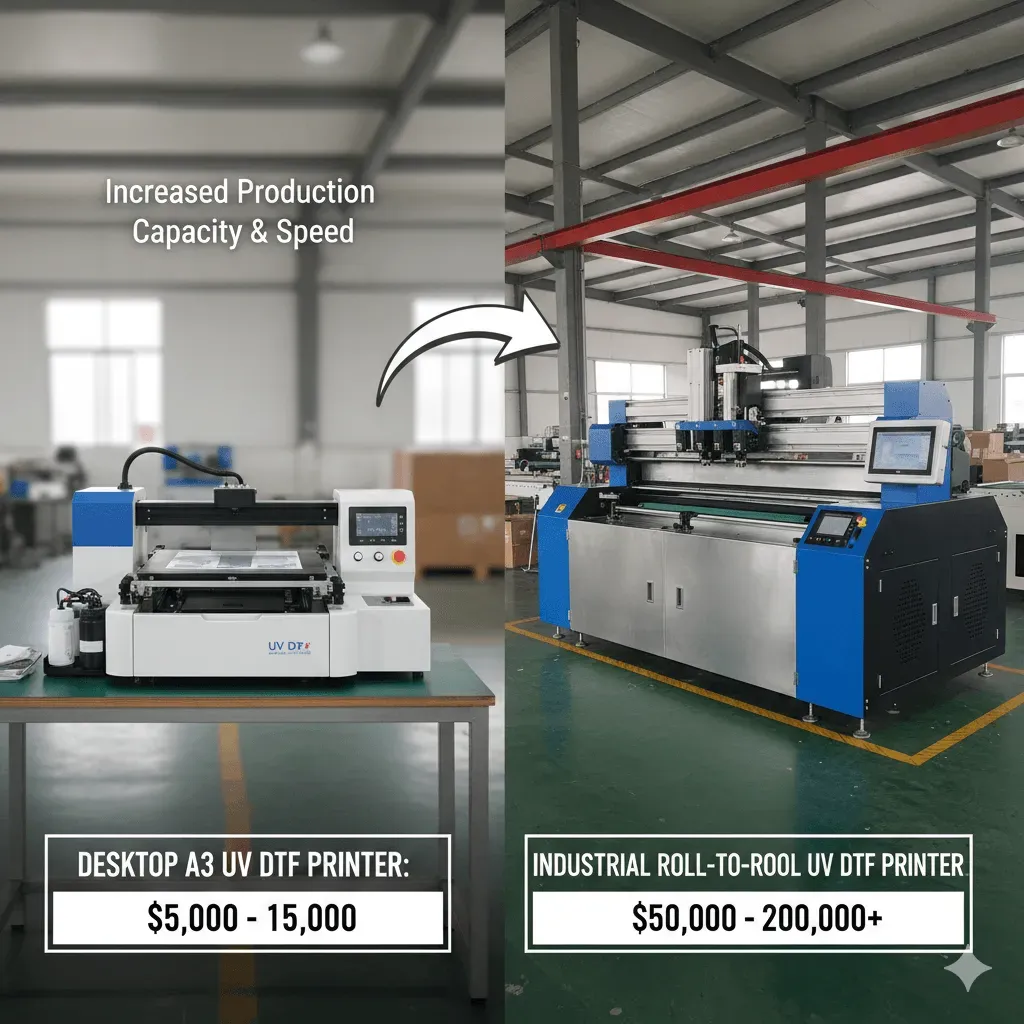
Cost-Effective UV DTF Transfer Setup is a smart starting point for any small business exploring custom apparel production. This approach balances upfront costs, UV DTF printing quality, and turnaround speed, making UV DTF printing a practical option for startups. By focusing on reliable components, affordable inks, and efficient workflows, you can keep operating expenses predictable and realize DTF ink cost savings. In addition to vibrant colors and durable results, a well-planned setup minimizes waste and aligns with the small business printing workflow and DTF transfer setup practices. This introduction outlines practical, scalable steps to achieve cost-effective printing for small business while preserving quality.
From a different angle, a budget-friendly UV-backed transfer workflow focuses on a compact printer, UV-curable inks, and reliable adhesion materials to keep costs predictable. Think of this as an affordable direct-to-film setup that prioritizes efficiency over excess capacity. LSI-friendly terms you might encounter include economical UV DTF solution, scalable print-on-demand production, and streamlined design-to-product pipelines. By aligning tooling, materials, and staffing around a lean process, small shops can realize DTF ink cost savings while maintaining consistency across orders. A well-structured plan emphasizes standard substrates, repeatable curing, and proactive maintenance to extend equipment life. Ultimately, the goal is a sustainable, high-quality output that supports growth without breaking the budget. Consider setting up a simple ROI model to quantify payback on ink, film, and energy savings over time. Finally, document lessons learned and update your SOPs to keep costs down as demand grows. This ongoing optimization helps you sustain quality, reduce lead times, and maintain competitive pricing as your order volume fluctuates.
Cost-Effective UV DTF Transfer Setup: Core Principles for Small Businesses
Cost-Effective UV DTF Transfer Setup is more than a buzzword for small businesses looking to scale without breaking the bank. By combining UV DTF printing capabilities with a lean transfer workflow, shops can produce vibrant designs on a range of substrates while keeping upfront investments reasonable. This approach aligns with the core idea of cost-effective printing for small business, emphasizing practical equipment choices, smart space planning, and predictable operating costs.
A well-defined setup starts with selecting components that deliver reliable results at a sustainable price point. Engineers and shop owners should focus on durable printers, efficient curing options, and compatible transfer films. By prioritizing stability, repeatability, and manageable ink costs, you can maintain consistent quality across orders and reduce waste—key factors in achieving long-term profitability in UV DTF printing.
UV DTF Printing Essentials for Cost-Effective Small Business Operations
Understanding UV DTF printing basics is essential for building a scalable operation. UV-curable inks, proper curing, and a straightforward transfer process enable fast turnarounds and durable results on textiles and hard substrates. This knowledge supports cost-effective printing for small business by reducing reprints and callbacks that eat into margins.
Choosing the right UV DTF equipment and materials is not just about initial price; it’s about total cost of ownership. Evaluate ink yield, film compatibility, and maintenance needs to ensure a sustainable printing workflow. When coupled with a compact footprint, the right setup minimizes space requirements while delivering professional-quality transfers.
Optimizing DTF Transfer Setup for Lean Workflows and Inventory Control
A lean DTF transfer setup emphasizes streamlined steps, standardized proofs, and batch processing to support a smooth small business printing workflow. By documenting each stage—from design proofs to final curing—you reduce variability and waste, helping every order move from concept to production with minimal touchpoints.
Inventory planning is a critical part of cost management. By forecasting film, powder, substrates, and consumables, shops avoid stockouts and overstock. This disciplined approach keeps costs predictable and ensures you can meet customer deadlines without sacrificing quality.
Reducing DTF Ink Costs: Techniques for Efficient Color Management
DTF ink cost savings come from disciplined color management, which includes selecting an efficient color palette, accurate ICC profiles, and soft proofing. When you print with intention, you minimize misprints and wasted ink, contributing to a lower cost per transfer. This aligns with the broader strategy of DTF transfer setup optimization and supports the goal of cost-effective printing for small business.
In practice, implement test strips, monitor ink coverage, and calibrate printers regularly. Limiting color separations where possible, using batch processing for similar designs, and validating proofs before production all help contain ink costs while preserving color fidelity. The result is a more predictable printing workflow with less waste and better margins.
Choosing Substrates and Finishes to Lower Cost per Product
Substrate selection has a profound impact on both cost and perceived quality. Cotton blends, polyesters, and certain synthetics respond differently to heat and adhesive layers, so choosing substrates that balance price, durability, and customer demand is vital. This decision directly affects cost-effective printing for small business by reducing waste, returns, and wash-related issues.
Pre-treatments and protective coatings are additional levers for cost control. While some customers expect durable finishes, cost considerations require evaluating the long-term value of coatings, wash-fastness, and the potential for finishes to impact hand feel. A carefully chosen mix of substrates and finishes supports consistent results and clearer profit margins.
Building a Scalable Small Business Printing Workflow with Automation
Automation and standardized SOPs can transform a DTF transfer setup into a scalable system. Batch processing, centralized color management, and automated file handling reduce manual labor and shorten lead times, making cost-effective printing for small business more achievable as demand grows. A scalable workflow also supports consistent output across multiple operators.
Investing in software, hardware integration, and training yields long-term ROI. By aligning your design, print, powder, cure, and transfer steps within a unified workflow, you can monitor performance metrics, flag deviations early, and maintain quality as order volumes increase. This holistic approach ensures your small business printing workflow remains efficient, even as your client base expands.
Frequently Asked Questions
What is Cost-Effective UV DTF Transfer Setup and why should a small business adopt it?
Cost-Effective UV DTF Transfer Setup is a budget-conscious approach to UV DTF printing and transfer workflows that minimizes upfront costs and ongoing expenses while maintaining quality. It emphasizes a compact, reliable UV-capable printer, efficient transfer film and adhesives, a space-saving heat press, and a streamlined small business printing workflow. By focusing on ink and material efficiency, it supports cost-effective printing for small business and scalable production, delivering DTF ink cost savings over time.
What are the essential components of a Cost-Effective UV DTF Transfer Setup?
Key components include a UV-capable printer with compatible inks, high-yield ink configurations, transfer film and adhesive powders, a reliable heat press (and curing capability if needed), suitable substrates, and software for color management. Each choice should aim for low per-unit costs while maintaining consistency, contributing to DTF ink cost savings.
How can I optimize the small business printing workflow within a Cost-Effective UV DTF Transfer Setup?
Adopt a repeatable workflow: design and proof with ICC profiles, print with calibrated color management, efficient powdering and curing, precise transfer alignment, and a finishing QC. This reduces waste and speeds turnaround, aligning with cost-effective printing for small business and improving the small business printing workflow.
What strategies drive DTF ink cost savings in a Cost-Effective UV DTF Transfer Setup?
Track ink use per job, profile colors to reduce unnecessary hues, use bulk ink purchases, standardize substrates and color palettes, and leverage batch processing to minimize waste. These steps optimize DTF ink cost savings while preserving color accuracy in UV DTF printing.
What common pitfalls should I avoid to maintain quality in a Cost-Effective UV DTF Transfer Setup?
Avoid under- or over-curing, color drift without regular profiling, adhesion problems from improper powdering or pressure, misalignment causing waste, and overreliance on automation without human QC. Mindful checks keep costs down while preserving quality in cost-effective printing for small business.
How can a small business measure ROI when implementing a Cost-Effective UV DTF Transfer Setup?
Track metrics such as per-unit ink and film costs, labor time, waste rate, maintenance expenses, and order volume to calculate payback period and overall ROI. Set monthly targets to reach break-even faster and validate the cost-effectiveness of your UV DTF transfer setup.
| Aspect | Key Points |
|---|---|
| What is Cost-Effective UV DTF Transfer Setup? |
|
| Key Components |
|
| Practical DTF Workflow for Small Teams |
|
| Cost Considerations and ROI |
|
| Practical Tips to Keep Costs Down |
|
| Common Pitfalls |
|
| Case Study |
|
| Starting Point Checklist |
|
Summary
Conclusion: Cost-Effective UV DTF Transfer Setup is achievable for small businesses with careful planning and disciplined execution. By selecting the right core components, optimizing the transfer workflow, and enforcing quality control, you can deliver high-quality prints while keeping costs predictable. This approach supports cost-effective printing for small business operations by balancing upfront investments with long-term savings in ink, film, and labor. The key is to design a repeatable process, stay on top of maintenance, and continuously monitor performance to maximize efficiency and profits. With the right setup and practices, UV DTF printing can scale with demand, supporting your growth without compromising quality or budget.