

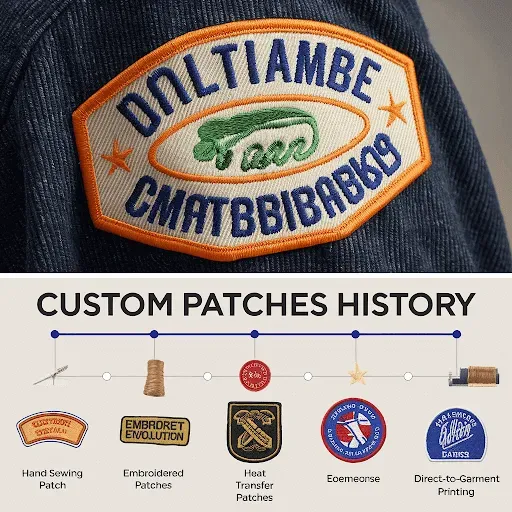
The history of patches reveals how a simple cloth badge maps power, identity, and personal style across centuries. From military patches to fashion patches worn on runways, patches have traveled far beyond functional insignia to become symbols of belonging and craft. Early patches served identification, morale, and provenance on crowded battlefields, while today they anchor collections and streetwear wardrobes. As production techniques evolved—embroidered patches, weaving, and iron-on methods—patches grew more durable and expressive. Understanding this arc helps readers appreciate patch collecting, patch trends, and the broader cultural storytelling woven into every design.
Viewed through broader language, these textile badges can be described as cloth emblems, sew-on appliqués, or embroidered patches that decorate jackets, bags, and caps. For readers new to the topic, think of them as fabric badges that signal identity, allegiance, or personal taste. In industry language, alternative terms such as woven emblems, fabric insignias, and decorative badges capture both traditional and contemporary contexts. This lexical variety follows LSI principles by linking related concepts like patches, badges, emblems, and appliqués to enrich understanding and SEO relevance. In short, patches are wearable narratives that translate culture across generations, whether called patches, badges, or emblems.
The history of patches: from military insignia to fashion statements
Patches began on battlefields as military patches and insignia that identified units, ranks, and specialties. These emblems offered quick visual identifiers amid crowded chaos, signaling allegiance, history, and function at a glance. The practical purpose of early patches—readability under stress and quick recognition—gave rise to bold shapes, strong colors, and legible symbolism.
Over the decades, patches migrated into civilian life, turning into keepsakes and symbols of belonging. This evolution marks the history of patches as they moved from military supply lines into denim, jackets, and streetwear, where collectors and enthusiasts celebrate provenance and design.
How embroidered patches shaped branding in the modern era
Advances in embroidery machines and weaving in the 20th century made patches durable and capable of carrying intricate symbols on fabric. Embroidered patches gained popularity for their tight stitching, vibrant colors, and robust backing, setting a standard for readability and longevity.
In today’s fashion landscape, embroidery-driven patches feature in brand capsules, artist collaborations, and streetwear drops. These fashion patches fuel patch trends and drive patch collecting as consumers seek authenticated badges of style and storytelling.
From sew-on to iron-on: variations in patch formats for DIY culture
Patch formats vary widely: embroidered patches, sew-on options, and iron-on adhesives each offer different ease, attachment strength, and care needs.
Choosing a format shapes how patches are worn, displayed, and maintained, fueling DIY projects and ongoing patch collecting conversations.
Denim’s patchwork revolution: jeans and jackets as living canvases
Denim has served as a versatile canvas for patchwork, turning jackets, jeans, and bags into living archives of memories, bands, travels, and affiliations.
As patches moved beyond denim into bomber jackets, backpacks, hats, and sneakers, the denim revolution became part of broader fashion patches and streetwear storytelling.
The patch collecting movement: communities, provenance, and curation
Patch collecting has grown into a vibrant hobby with online marketplaces, clubs, and conventions where provenance, condition, and design quality matter.
Collectors chase historical patches for context and rarity, turning textiles into narratives that connect generations and subcultures.
Sustainability and the future of patches in fashion and streetwear
Today’s patch ecosystem embraces sustainability, with brands exploring recycled fabrics, durable finishes, and responsible sourcing to extend patch life.
As patch trends continue, collaborations and limited drops keep patches relevant in fashion and streetwear while aligning with consumer interest in longevity and ethical production.
Frequently Asked Questions
What is the history of patches, from military patches to fashion patches, and how did their roles evolve?
Patches began as military patches—insignia that identified units, ranks, and functions, boosting recognition and morale. After conflicts, these emblems migrated into civilian life and veteran communities, signaling belonging and memory. Over time, patches entered fashion and streetwear, becoming expressive symbols on denim jackets, bags, and other everyday items.
How did embroidered patches contribute to the industrialization of patchmaking and the rise of wearable fashion?
Advances in textile manufacturing and embroidery machines in the 20th century made patches more durable and accessible. Embroidered patches allow tight stitches and vivid lettering, while weaving introduced new textures. This tech-driven evolution enabled fashion patches to be produced at scale and applied to a wide range of garments.
Why did patch collecting become a global hobby, and how do military patches and fashion patches fit into collectors’ narratives?
Patch collecting grew from a desire to preserve history and celebrate design. Collectors value provenance, condition, and storytelling—military patches for historical context and fashion patches for contemporary aesthetics. Online communities and limited editions foster vibrant markets and shared education about symbols, production, and designers.
What patch trends are shaping today’s patch ecosystem, from DIY culture to streetwear collaborations?
Current patch trends mix nostalgia with modern design: oversized patches, patch-on-patch layering, and reimagined vintage logos or military insignia in fresh palettes. DIY culture remains central, with collaborations between designers and artists driving limited drops and new patch aesthetics across fashion and streetwear.
How did the denim revolution influence patches as fashion statements and the broader use of fashion patches?
Denim has long served as a prime canvas for patches, with jackets, jeans, and bags bearing patchwork that tells personal stories. As patches moved beyond denim into bomber jackets, backpacks, and sneakers, fashion patches became versatile symbols of memory, culture, and style.
What should beginners know about patch formats (embroidered, sew-on, iron-on) and how care guidelines fit into the history of patches and patch collecting?
Patch formats include embroidered, sew-on, and iron-on, each with distinct care needs. Embroidered patches offer durability and a classic look; sew-on patches require basic sewing for a traditional finish; iron-on patches provide quick, tool-free application. Care guidelines—washing away from high heat, storing in cool, dry places, and handling patches in protective sleeves—help preserve color, texture, and value for a growing patch collection.
| Aspect | Key Points |
|---|---|
| Introduction | Overview of patches’ journey from battlefield to runway; patches symbolize belonging, craftsmanship, and cultural expression. |
| Origin and purpose | Military patches as identity markers: quick visual identifiers for units, ranks, and specialties; practical roles include identification, provenance, and morale. |
| From insignia to shared symbols | Patch as a shared language; migration into civilian life; keepsakes and symbols of pride and affiliation. |
| Industrialization of patchmaking | 20th-century textile tech enabled durable patches; embroidery and weaving; raised lettering; multiple textures. |
| Patch culture expands beyond battlefield | Post-WWII diffusion into schools, clubs, and fashion; DIY denim customization; counterculture patches (punk/rock). |
| Embroidered, sew-on, and iron-on | Formats with different backing; hand or machine application; care implications; popularity for DIY and fashion. |
| The denim revolution and beyond | Denim as canvas; patchwork on jackets, jeans, bags; broader fashion contexts including bomber jackets and sneakers. |
| Patch collecting and patch communities | Hobby with online/offline communities; provenance, rarity; education about symbols and manufacturing. |
| The modern patch ecosystem | Fashion brands, collaborations, and sustainability; capsule collections; recycled materials; patches as storytelling and investment. |
| A closer look: design, materials, and care | Design process (typography, iconography, color theory); backing materials; thread types; care guidelines (washing, storage). |
| Patch trends | Nostalgia meets modern design; retro logos and military insignia reinterpreted; patch-on-patch layering; limited drops and collaborations. |
| Practical tips for readers | Define purpose; start with a few high-quality patches; learn patch types, backing, and sizing; DIY ideas; document provenance and care. |
Summary
The history of patches shows how a practical insignia evolved into a global phenomenon of fashion, art, and community. Patches tell stories about who we are, where we come from, and how we want to be seen. From military memory to streetwear and collectible culture, patches continue to blend memory, craft, and identity. As designers, brands, and hobbyists explore new materials and collaborations, patches remain a versatile form of personal narrative that invites everyone to add their own patch to the evolving tapestry.