

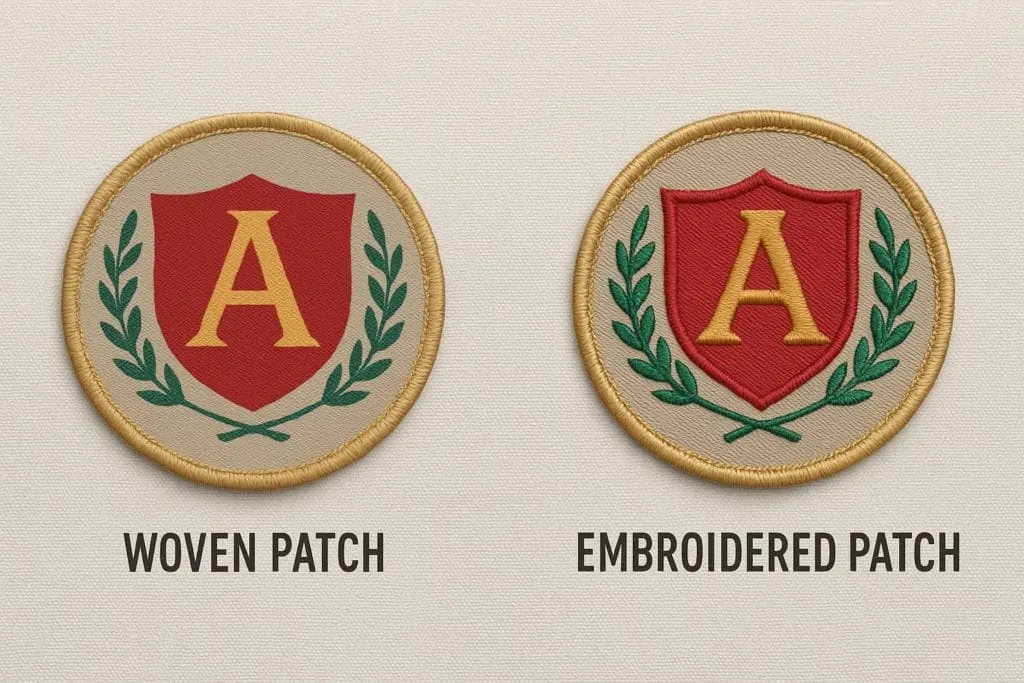
Patches vs Embroidery is a crossroads many DIY enthusiasts face when customizing clothing, backpacks, or accessories. For many makers, the decision also shapes durability, the frequency of repairs, and the care routine items require in everyday wear. Patches can be quick to apply and versatile, offering a casual, colorful way to refresh a garment while letting you test new colors, shapes, and logos. Embroidering with the right embroidery techniques adds texture and lasting detail, creating stitched lines that catch light and invite closer inspection. Ultimately, both approaches can complement each other, letting you tailor look and longevity.
From another angle, patches for clothing can be seen as quick, reversible embellishments that invite experimentation without committing to permanent stitching. On the flip side, the craft of stitching offers a more durable form of decoration—threaded motifs, appliqué panels, and personalized monograms that wear well over time. LSI emphasizes connecting related concepts such as sewing, embroidery, needlework, textile embellishment, and decorative stitching so readers can discover the topic through multiple avenues. If you’re weighing hand embroidery vs machine embroidery, consider how much control you want, the scale of your design, and what you’re willing to invest in tools and time. The best projects often blend patches and stitching, creating pieces that feel cohesive, practical, and expressive enough to wear with pride. Ultimately, choosing between patches and stitching is less about one method and more about aligning your technique with the garment, the setting, and your own rhythm. Experimentation—trying different patches, textures, and stitch densities—helps you discover what resonates before committing to a full project.
Patches for Clothing: Quick, Versatile DIY Clothing Customization
Patches for clothing offer a fast, flexible way to refresh a garment, repair wear, or signal your personal style. Whether you’re working on a denim jacket, backpack, or casual tee, patches provide an immediately visible change that aligns with DIY clothing customization goals. Iron-on patches are especially convenient because they bond with heat and pressure, letting you transform a piece in minutes.
Patches come in iron-on and sew-on forms, and they can be embroidered or printed. They work across fabrics from denim and canvas to knit, making them a go-to option for quick styling, budget-friendly updates, and upcycling—perfect for experimenting without committing to a permanent redesign.
Embroidery Techniques: From Hand Stitches to Machine Precision
Embroidery techniques transform fabric by stitching directly into the surface, creating texture, depth, and durability. Hand embroidery offers a tactile, artisanal vibe and works well for small runs or personalized accents on a jacket sleeve, pocket, or hat brim.
Machine embroidery speeds production and delivers consistent results across multiple items, with complex motifs and precise color changes. Weighing hand embroidery vs machine embroidery helps you decide whether your project needs individuality or efficiency within your DIY clothing customization journey.
Iron-On Patches vs Sew-On Patches: Attachment Methods and Care
Iron-on patches use a heat-activated adhesive backing that bonds to fabric with heat and pressure, offering a quick route to decorate or reinforce a garment. Sew-on patches require stitching around the edges for lasting security, especially after washing.
Care considerations differ: iron-on patches may peel with high heat or frequent washing, while sew-on patches require sturdy stitches. Regardless of method, follow care guidelines to maximize longevity and keep the patch looking intentional.
Cost, Time, and Skill: What Each Method Demands for Your Project
Patches are typically more budget-friendly per design and faster to apply, especially with iron-on options. For DIY clothing customization on a deadline, patches offer a practical path to big style changes without a long build time.
Embroidery requires investment in tools, stabilizers, threads, and sometimes software, and it can take more time—hand embroidery for a single motif or machine embroidery for larger runs. Balancing cost, time, and skill helps you choose the route that best fits your vision.
When to Choose Patches for Clothing: Use-Case Scenarios
Choose patches for clothing—for quick repairs, visible coverage of wear, or a bold graphic look. They’re especially effective when you want a casual, streetwear-inspired aesthetic and the flexibility to swap designs as trends change.
If you’re testing ideas on a budget or want fast results, patches for clothing let you experiment without committing to a permanent design. They also enable non-permanent customization you can rework over time.
Patches vs Embroidery: A Framework for DIY Projects
Decide based on durability, detail, and how you want the finished piece to feel. Patches offer speed, versatility, and easy updating, while embroidery provides depth, longevity, and a refined look that can elevate a simple garment.
Many DIY projects benefit from a hybrid approach—adding patches for character and using embroidery for focal points, monograms, or branding. Understanding embroidery techniques and the tradeoffs between hand embroidery vs machine embroidery helps you plan a cohesive, durable result.
Frequently Asked Questions
What’s the difference between patches for clothing and embroidery in a DIY clothing customization project?
Patches for clothing offer quick coverage, repair, and bold graphics, using iron-on or sew-on backing for fast results. Embroidery techniques add texture and detail through hand embroidery or machine embroidery, delivering durability and a refined finish. For a DIY clothing customization, choose patches when speed and budget are priorities and embroidery when you want long-lasting detail and a premium look.
When should I choose iron-on patches over embroidery techniques for a garment?
Iron-on patches are ideal for fast, non-permanent customization on denim, canvas, or knit. They’re quick to apply but can be less durable with frequent washing. Embroidery techniques—whether hand embroidery or machine embroidery—offer greater longevity and detail, making them better for everyday wear and more intricate designs in DIY clothing customization.
How do hand embroidery vs machine embroidery compare in terms of time, cost, and results for DIY projects?
Hand embroidery provides artisanal texture and control but takes more time, making it budget-friendly for small accents in DIY clothing customization. Machine embroidery delivers precision and speed, suitable for multiple items and consistent motifs, with higher initial costs for equipment and supplies.
Is it possible to combine patches for clothing with embroidery to enhance a DIY project?
Yes. A patches for clothing + embroidery approach blends bold graphics with refined detail. Start with a plan for placement, apply patches (iron-on or sew-on), then add embroidery accents around or between patches to integrate the design using embroidery techniques.
What factors influence whether patches or embroidery is best for your project goals?
Consider the look you want (bold casual vs refined), durability needs, budget, fabric type, and wash frequency. Patches for clothing are fast and versatile, while embroidery techniques offer longevity and intricate detail, so match your choice to the garment and intended wear in your DIY clothing customization.
What are quick-start tips for beginners exploring patches vs embroidery in DIY clothing customization?
Start simple with a single iron-on patch to test adhesion on your fabric, then add a small hand or machine embroidery accent as you learn. Use stabilizers for embroidery, select appropriate backing, and follow care instructions to maximize longevity. This approach supports a smooth introduction to patches for clothing and embroidery techniques.
| Aspect | Patches | Embroidery |
|---|---|---|
| What are patches? | Patches are fabric pieces applied to another fabric surface; iron-on and sew-on types; can be embroidered or printed. | Embroidery decorates fabric with stitches; hand or machine; adds texture and depth. |
| Pros | Quick to apply; versatile; cost-effective; easy customization. | Longevity; detail and texture; customization; elevated aesthetic. |
| Cons | Durability varies; edges may fray or lift; more casual look. | Time-consuming; equipment and cost; fabric constraints. |
| Hand embroidery vs machine embroidery | N/A; patches are independent of hand/machine. | Hand embroidery offers artisanal vibe; machine embroidery offers precision and speed; choice affects time, texture, and learning curve. |
| Use-case: Patches | Quick repairs or reinforcements; casual, graphic style; limited time or budget; non-permanent experimentation. | Complementary use; embroidery can be blended with patches for texture. |
| Use-case: Embroidery | Typically used for durable decor; detailed artwork; monograms; heirloom pieces. | Embroidery provides long-lasting finish; can be used alongside patches for a mixed-media look. |
| Cost, time, and skill | Lower upfront cost; faster to apply; DIY-friendly. | Higher upfront cost; longer time; requires tools and setup; skilled. |
| Materials & tools | Patches: patch designs; heat source; scissors; needles; matching thread. | Embroidery: hoop/frame; stabilizers; embroidery threads; needles; compatible fabric. |
| Durability & care | Iron-on patches: heed instructions; high heat can affect adhesive; sew-on patches require secure stitching. | Turn inside out; use stabilizers; gentle wash; follow care for longevity. |
| Project ideas | Starter patch on denim jacket; patch collage on a backpack. | Monogram on a pocket; simple embroidery on a tote; mixed-media piece. |
| Common pitfalls | Peeling patches; edge fraying; misalignment. | Fabric puckering; thread breakage; improper stabilizer selection. |
Summary
Patches vs Embroidery offers two versatile paths for DIY clothing customization, each with its own strengths and trade-offs. This descriptive overview highlights how patches provide quick, flexible styling and easy repairs while embroidery delivers durability, detail, and a refined finish. Your choice depends on your project goals, budget, and time, and many projects benefit from a thoughtful blend of both methods to achieve character and longevity in your wardrobe.