

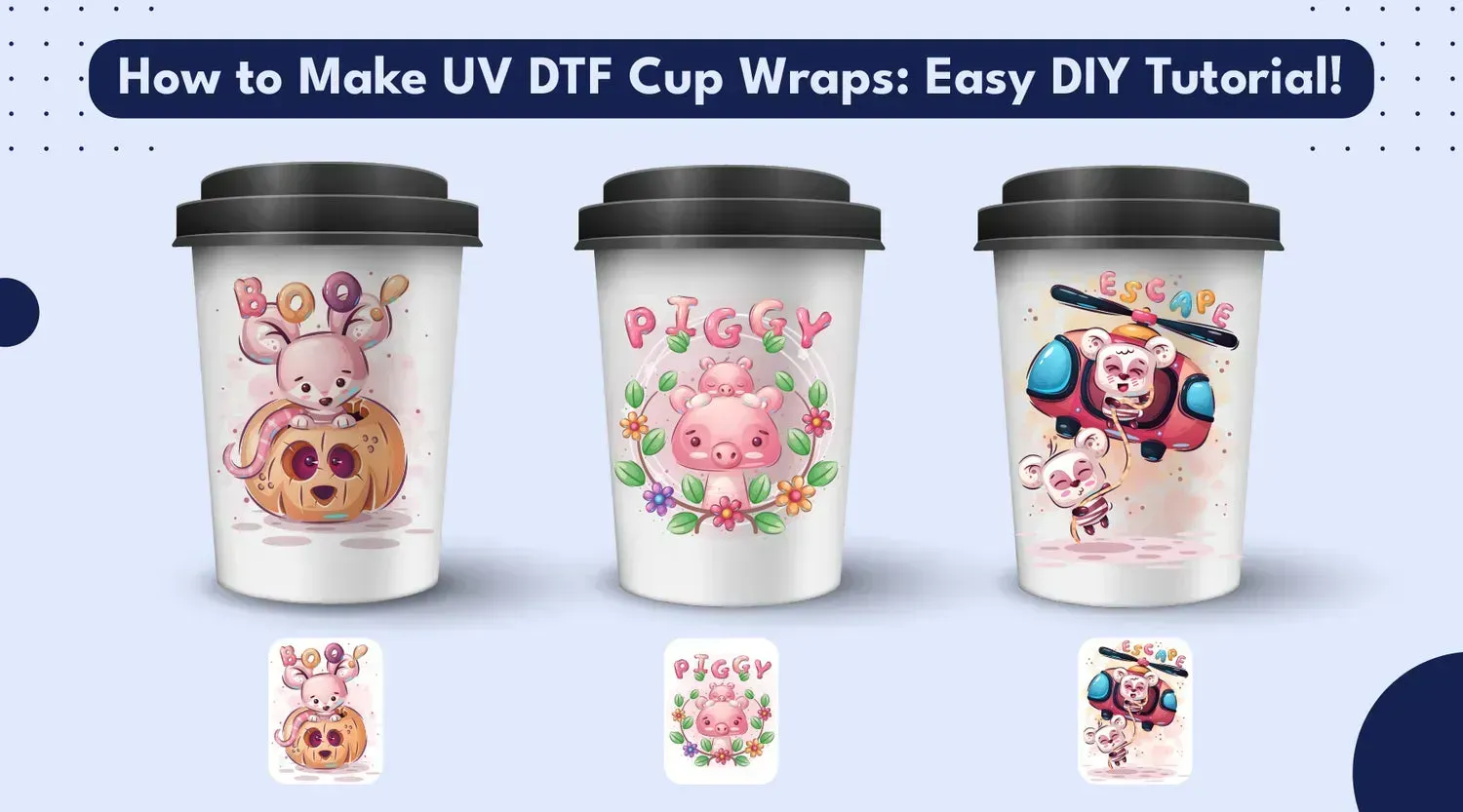
DIY UV DTF Transfer Setup is a practical entry point for crafters looking to personalize garments and decor with vibrant, UV-curable inks. This beginner-friendly guide serves as an accessible UV DTF setup guide, outlining the essential steps from selecting film and powders to dialing in a heat press for consistent results. By focusing on real-world tips and simple workflows, it covers DTF transfer for beginners, helping you avoid common missteps. The guide also shares DTF transfer heat press tips to prevent scorching and misprints while emphasizing careful heat, pressure, and timing. With a steady setup for UV printing on fabrics, you’ll learn to plan tests, document settings, and scale your projects confidently.
From another angle, this process can be understood as fabric transfers created with UV-curable inks printed on a transparent film and bonded to textiles with a powder adhesive. Think of it as a modern alternative to traditional heat transfers, using a carrier sheet, adhesive powders, and a heat press to lock in color. Key concerns include color management, substrate compatibility, and precise control of temperature, time, and pressure to ensure crisp edges and durable wear. For beginners, following a structured workflow and keeping notes on test results helps build confidence and repeatable success.
Frequently Asked Questions
What is DIY UV DTF Transfer Setup and why is it important for beginners?
DIY UV DTF Transfer Setup refers to the end-to-end process of printing with UV-curable inks on DTF film, applying adhesive powder, and transferring the image to fabric or other substrates with heat. For beginners, this approach delivers vibrant colors, faster drying, and a scalable workflow, helping you achieve crisp transfers on fabrics and other materials as you learn UV printing on fabrics.
What equipment do I need for a DIY UV DTF Transfer Setup?
A solid DIY UV DTF Transfer Setup starts with a UV-capable printer or a standard inkjet with compatible UV inks, DTF transfer film and a carrier sheet, adhesive powder and a method to apply it, a curing or drying option (UV lamp or heat source), a heat press with good temperature control, protective sheets, a reliable color workflow with ICC profiles if available, and basic cleaning supplies. These essentials support a consistent, repeatable DTF transfer heat press process.
What are the core steps in printing and coating for the DIY UV DTF Transfer Setup?
Core steps include: design and print on DTF film; apply adhesive powder evenly and remove excess; cure or set the powder as required by your workflow; and inspect the film for cleanliness before transfer. This sequence is central to the DIY UV DTF transfer setup and lays the groundwork for reliable results in UV printing on fabrics.
How do I achieve a successful transfer with a DIY UV DTF Transfer Setup?
To transfer successfully, position the film face-down on a flat garment, then press at about 160-170°C (320-340°F) for 12-15 seconds with firm, even pressure. Protect the design with parchment or a silicone sheet, avoid moving the fabric during pressing, and let it cool before peeling. Following these DIY UV DTF Transfer Setup guidelines aligns with practical UV DTF setup tips for consistent results.
What common issues should I watch for and how can I troubleshoot in a DIY UV DTF Transfer Setup?
Common issues include color misalignment, powder not adhering, ghosting, and rough texture. Troubleshoot by checking color profiles and printer calibration, ensuring even powder coverage and proper curing, tightening press temperature and time, and confirming the data design matches the intended print size. These are typical DTF transfer heat press tips you’ll use in a DIY UV DTF Transfer Setup.
How can I scale the DIY UV DTF Transfer Setup for larger projects?
To scale, consider larger formats, diversify fabrics, and introduce batch processing. Maintain detailed color profiles and a simple workflow log so you can reuse successful settings. As you scale the DIY UV DTF Transfer Setup, you’ll improve consistency and throughput for UV printing on fabrics and other substrates.
| Section | Key Points |
|---|---|
| What is DIY UV DTF Transfer Setup and why it matters | DTF = direct-to-film: print on film, apply adhesive powder, and transfer with heat. UV uses UV-curable inks or UV-capable steps for vibrant colors and faster drying. DIY means using accessible tools and tuning settings. Benefits include reduced waste, better consistency, and easier troubleshooting for beginners. |
| Essential gear and materials for your DIY UV DTF Transfer Setup | Printer: UV-capable or standard inkjet with UV-curable inks; DTF film with a carrier sheet; adhesive powder; even application method; curing/drying method (heat, UV, or hot air); heat press with temperature control; TEFLON/parchment; color management workflow and ICC profiles if available; cleaning supplies and ventilation. |
| Preparation: setting up the workspace and colors | Create a clean, organized workspace and preheat the heat press; ensure ventilation. Prioritize color management: calibrate the monitor, use color targets, and apply ICC profiles when possible to reproduce accurate colors. |
| Printing and coating: the core steps of the DIY UV DTF Transfer Setup | Design/print with clear foreground and good contrast. Export PNG or vector formats as needed. Print a small test image for alignment. Apply adhesive powder evenly; shake off excess. Cure or dry the powder per guidelines. Inspect for residue to ensure a clean transfer. |
| Transferring: heat, time, and pressure considerations | Position film face-down on substrate and align precisely. Start around 160-170°C (320-340°F) for 12-15 seconds, adjusting for fabric and film. Apply firm, even pressure; protect with silicone sheet or parchment. Let cool briefly before peeling; follow supplier guidelines for bond. |
| Post-transfer care and durability | Allow the transfer to fully set before handling. Follow care instructions (wash cold, inside-out, low-heat dryers). Durability varies by fabric; document outcomes and adjust your process as needed. |
| Common challenges and troubleshooting tips | Color misalignment or fading: re-check color profiles and calibration. Powder not adhering: verify powder type, coverage, and curing steps. Ghosting or faint edges: adjust pressure, time, or temp. Texture issues: reduce powder weight and refine removal. |
| Best practices for a reliable DIY UV DTF Transfer Setup | Invest in quality basics (film, powder, heat press); test and log settings; protect workspace; maintain gear; prioritize safety with ventilation and PPE. |
| Scaling your DIY UV DTF Transfer Setup for future projects | Move to larger formats; experiment with fabrics; try batch processing; build and reference color profiles; document progress to improve complex projects. |
Summary
DIY UV DTF Transfer Setup is a practical path for beginners to achieve high-quality, vibrant transfers on textiles and other substrates. By understanding the core steps—from printing and powdering to curing, transferring, and post-care—you can build a dependable workflow that minimizes waste and maximizes consistency. With patience, testing, and meticulous documentation, your first transfers can become repeatable results you’ll be proud to showcase.