

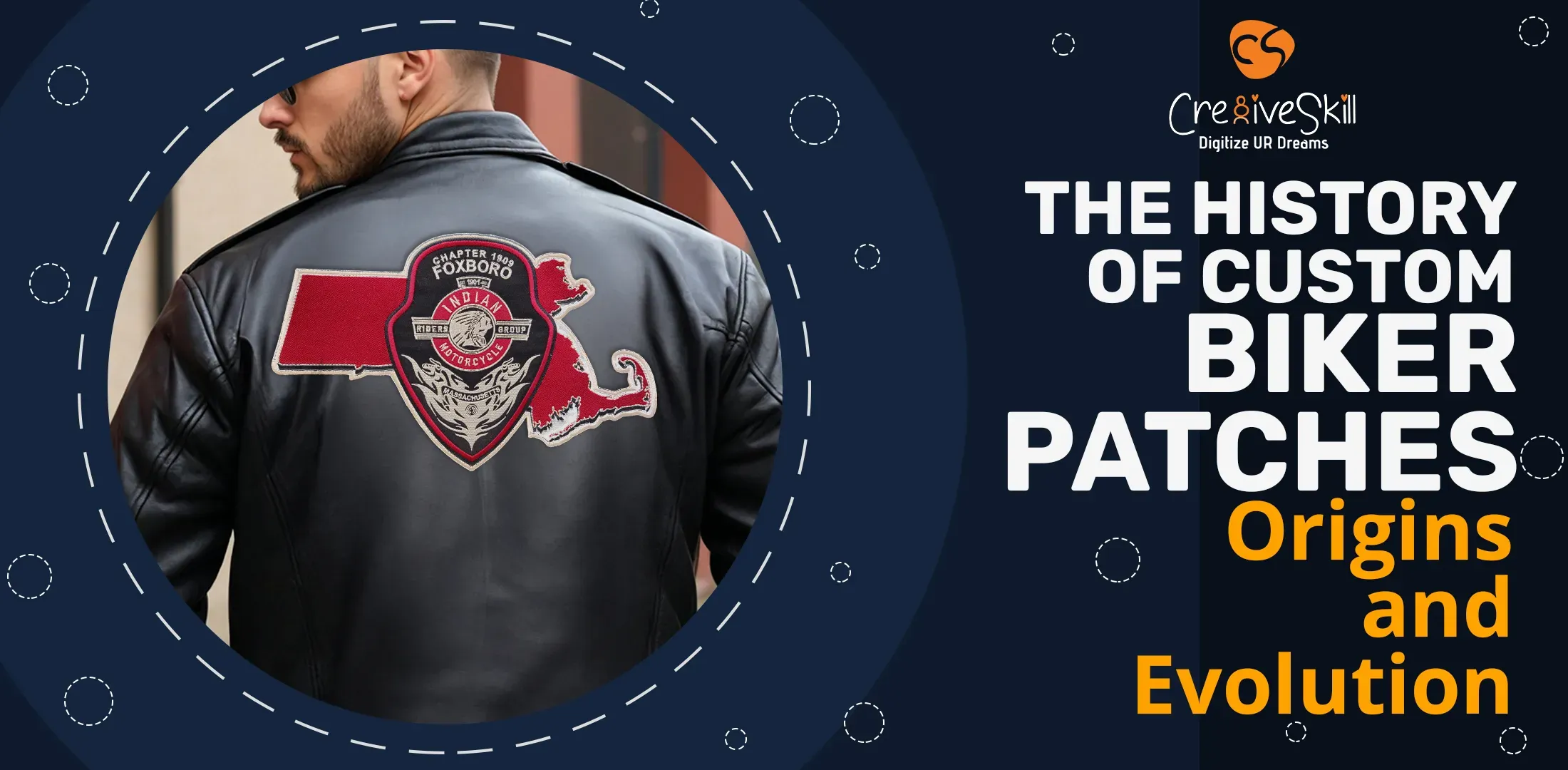
History of patches is more than a timeline of stitches and logos; it’s a lens into how identity, culture, and craftsmanship travel from battlefield to boulevard. From military patches, the evolution signals a shift in meaning and identity across garments and gear. These designs began as insignia; they marked allegiance, rank, or unit, and they grew into portable emblems worn on jackets and backpacks. The craft moved from simple embroidery patches to more sophisticated techniques, expanding color, texture, and durability. Today, the patch landscape invites collectors and designers to explore history through patterns, textures, and stories.
From a semantic perspective and in line with LSI principles, the topic can also be framed as garment badges, fabric emblems, or sewn-on symbols that carry meaning beyond the stitch. These related terms bridge military heritage, fashion accessory, and everyday wear, connecting the past to today’s street-style vocabulary. For readers and search engines alike, patch insignia offers a simple, searchable bridge between history and contemporary design.
Frequently Asked Questions
What is the History of patches and how did military patches shape early patch insignia culture?
The History of patches begins with military patches as practical insignia on uniforms, where they conveyed unit identity, mission, and rank. This patch insignia laid the groundwork for a broader patch culture that later migrated into jackets, bags, and even sneakers, evolving from utility to a universal form of expression.
How did embroidery patches influence the rise of patch collecting in civilian life?
Embroidery patches, created with techniques like satin stitch and durable backings, expanded from military use to civilian life. As embroidery patches evolved with new materials and machinery, patch collecting emerged as a hobby focused on rarity, history, and design quality in embroidery patches.
Why do patch insignia carry meaning beyond decoration in the History of patches?
Patch insignia carry symbolism that signals belonging, memory, and identity. In the History of patches, questions of authenticity and attribution also arise, as designers balance homage with new visual language while preserving the roots of the insignia.
In what ways have streetwear patches driven the modern evolution of the History of patches?
Streetwear patches transform insignia into bold fashion statements on jackets, bags, and sneakers. Designers use vibrant graphics, limited-edition collaborations, and patch formats like iron-on and sew-on to fuse military heritage with urban art in the History of patches.
What production techniques and materials defined embroidery patches in the History of patches?
Embroidery patches advanced from traditional satin stitch and buttonhole outlining to computerized embroidery, enabling intricate logos. Materials such as polyester, rayon, and cotton blends, plus varied backings, shaped the texture, durability, and finish of embroidery patches in the History of patches.
How can a collector build a thoughtful patch collecting strategy within the History of patches?
Start with a theme—military patches, embroidery patches, or streetwear patches—and build a core set in coordinating colors. Prioritize provenance and condition, seek rarity and design quality, and mix timeless pieces with limited-edition designs to reflect the patch collecting practice within the History of patches.
| Topic | Key Points |
|---|---|
| Definition & Scope | Patches are more than functional insignia; they express identity, culture, and craftsmanship as they travel from battlefield to boulevard. |
| Origins | Early patches on uniforms served as identifiers; designed to be durable and legible; contributed to a disciplined patch design. |
| Emergence of Patch Culture | Patches travel beyond the battlefield as symbols of memory and belonging, signifying membership in squads, clubs, or movements. |
| Techniques & Materials | From satin and buttonhole stitches to computerized embroidery; materials include polyester, rayon, and cotton blends; backing options include heat-applied. |
| Civil Life & Collecting | Patch adoption on denim jackets, backpacks, hats; patch collecting as a hobby with catalogs, conventions, and online communities. |
| Street Style Revolution | Streetwear integrates patches as bold statements; iron-on, sew-on, and collaborative patches drive exclusivity and style. |
| Symbolism & Ethics | Patches tell stories and invite interpretation; designers balance authenticity with new language while considering appropriation and origin. |
| Production & Customization | New methods include heat-seal, PVC, woven, and 3D embroidery; sustainability and customization broaden accessibility. |
| Styling & Collecting | Guidance for collectors: start with a theme, build a core set, curate with color, and consider provenance and condition. |
| Future Directions | Digital design tools enable rapid prototyping; ethical attribution and mixed-media experiments shape the evolving patch landscape. |
Summary
History of patches is a story of transformation from practical badges of service and affiliation to expressive fashion accessories that populate the street style landscape. Patches began as badges of honor and identifiers on uniforms, evolving into portable symbols of memory and belonging that cross from battlefield to boulevard. As techniques evolved—from traditional embroidery to modern 3D, PVC, and woven patches—designers and wearers relocated meaning, celebrating teamwork, achievement, and personal identity. Streetwear and DIY culture expanded the patch ecosystem, making patches accessible, collectible, and statement-making across jackets, bags, and sneakers. Today, patches combine nostalgia with innovation, inviting new generations to interpret history, craft, and community through wearable art.