

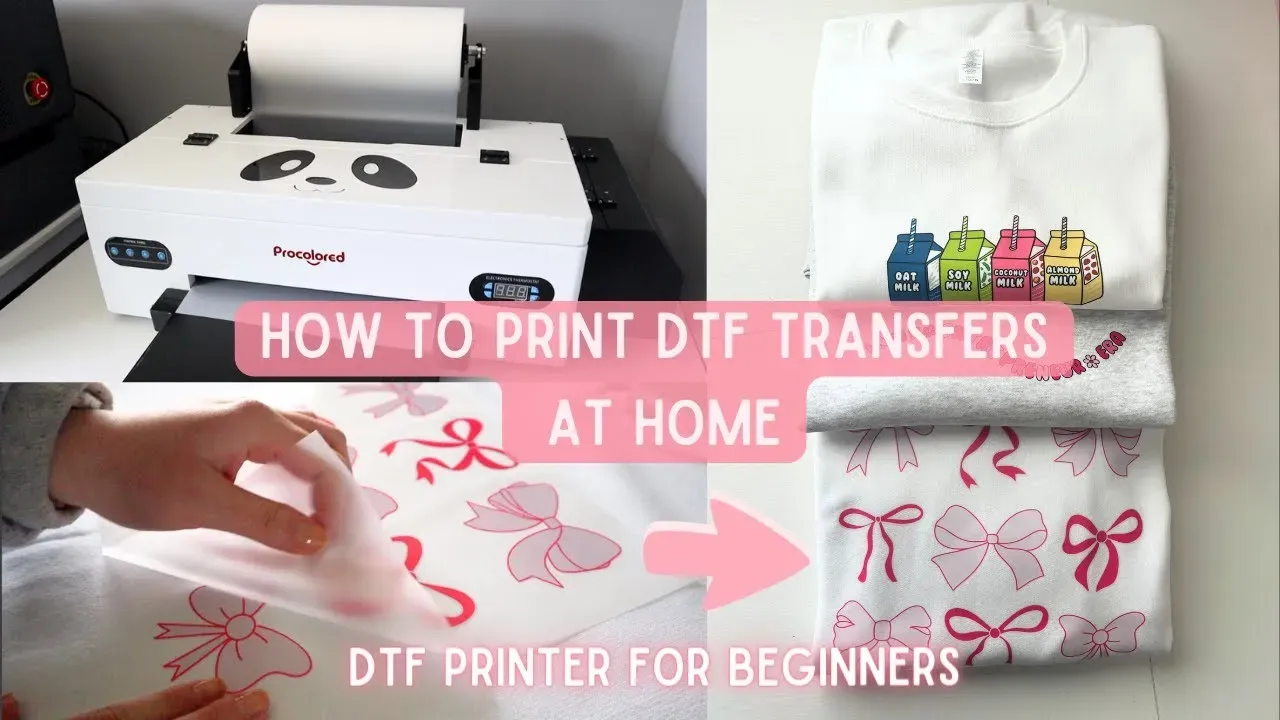
DTF printing for beginners opens an exciting path into custom apparel and small-business printing. To start with confidence, assemble a practical kit of DTF supplies that covers film, ink, adhesive powder, and a reliable heat source. This workflow uses a transfer film to carry your designs from ink onto fabric with strong, vibrant color. With a clear, safe setup and a repeatable process, you’ll minimize confusion as you learn the basics. By focusing on steady practice and simple projects, you’ll build a foundation that scales over time.
From a broader angle, this is a film-based textile printing technique that combines graphic design with an adhesive powder step to create durable transfers. As part of a solid DTF printer setup, careful calibration, color management, and reliable software help you hit consistent results. Pair this with quality DTF inks and powders and a properly chosen transfer film, and you’ll notice the difference in color vibrancy and adhesion. With patience, you can expand from single-color experiments to multi-color designs on a range of fabrics.
DTF printing for beginners: A practical roadmap to success
DTF printing, or Direct-to-Film printing, opens a practical path into custom apparel and small‑business printing. For beginners, a clear roadmap helps you understand not only what the process is but also the essential DTF supplies, safe printer setup practices, and a repeatable workflow you can rely on. This approach keeps you focused on building a solid foundation—from selecting the right DTF transfer film to understanding inks and powders, and from printer setup to the final heat‑press transfer.
As you start, think of DTF printing for beginners as a layered process: design, prepare the film, apply adhesive powder, cure, and transfer. This sequence supports consistent results across different garment colors and fabrics, making it a scalable entry point for hobbyists and small shops alike. By mastering the core components early, you’ll gain confidence to take on more complex designs and larger orders.
Essential DTF supplies: building a solid starter kit
A successful start with DTF begins with a well‑rounded kit of DTF supplies. The core items you’ll need include DTF transfer film, DTF inks formulated for film printing, and adhesive powder that bonds the ink to fabric after curing. A compatible printer setup and a reliable heat press are also essential to deliver consistent transfers.
In addition to the essentials, consider tools that improve workflow: scales for powder distribution, optional air blowers, masking tape, lint rollers, and lint‑free wipes. Optional but helpful items like a curing oven or heat tunnel for powder curing, along with RIP software or driver optimizations, can elevate color accuracy and repeatability. A dedicated workstation with good ventilation rounds out a safe, efficient DTF workspace.
DTF transfer film and inks: choosing materials for vibrant transfers
Choosing the right DTF transfer film is crucial because it carries your printed design and determines how cleanly it transfers. Look for films that pair well with water‑based DTF inks and offer stable handling through the print, powder application, and curing stages. The film’s transparency, thickness, and tack influence color accuracy and edge definition.
DTF inks and powders determine vivid color, opacity on white and colored textiles, and the transfer’s durability. When selecting DTF inks, seek formulations designed for film printing with good pinking resistance and washfastness. Pairing the inks with compatible powders and proper curing settings helps minimize white specks, powder clumping, or rubbing off the design on garments.
DTF printer setup and color management for consistency
A reliable DTF printer setup starts with selecting a printer known to work well with DTF inks and film. Focus on stability, print quality, and robust support. After choosing a printer, set up the hardware and adjust driver options or RIP software to optimize color reproduction, density, and ink coverage.
Color management is especially important for beginners learning ICC profiles and calibration. Use test prints and swatches to dial in color accuracy across fabrics, and maintain consistent alignment and feed paths. Proper printer setup reduces misregistration and ensures a smooth workflow from artwork to transfer.
The DTF printing workflow: from artwork to finished garment
Understanding the DTF workflow is essential for consistent results. Start by preparing your artwork in a graphics program, ensuring proper sizing for the garment. Print onto DTF transfer film using the printer settings optimized for film, and consider printing a white underbase when your design requires it.
Next, apply adhesive powder while the film is slightly tacky, then cure the powder using a curing oven or heat tunnel. Once cured, place the film on the garment and transfer with a heat press at the recommended temperature, time, and pressure. Finish by peeling the film hot or cold as required and inspecting the transfer for any touch‑ups needed.
Troubleshooting, maintenance, and best practices for beginners
Beginners often encounter color dullness, misregistration, or powder clumping. To address these issues, verify printer calibration, film alignment, and RIP/color settings. Recalibrate color profiles if needed and ensure consistent powder distribution and curing conditions.
Regular maintenance helps you avoid recurring problems. Clean the powder hopper area, check humidity levels in the workspace, and ensure the film feeds smoothly to prevent curling or sticking to rollers. Maintain a log of settings for different fabrics to reproduce successful transfers and gradually expand your DTF capabilities.
Frequently Asked Questions
What is Direct-to-Film (DTF) printing, and why is it popular for DTF printing for beginners?
Direct-to-Film printing is a multi-step process that prints designs onto a special DTF transfer film using water-based inks, then applies an adhesive powder, cures it, and transfers the design to fabric with a heat press. It’s popular for beginners because a single film workflow works across many colors and fabrics, reducing the need for multiple color layers. For DTF printing for beginners, key steps include printing onto the DTF transfer film, applying and curing the adhesive powder, transferring with even heat and pressure, and peeling as directed by the film.
What are the essential DTF supplies I need to start with DTF printing for beginners?
A solid starter kit includes: DTF transfer film, DTF inks, adhesive powder, a printer compatible with DTF inks and film, and a heat press. You’ll also want transfer tools (scales, wipes, masking tape), and optional items like a curing oven or heat tunnel and RIP software to optimize color. Building a reliable set of DTF supplies is the foundation for consistent results in DTF printing for beginners.
How should I approach DTF printer setup (DTF printer setup) for a beginner?
Start by selecting a printer known to work well with DTF inks and film, then install the DTF inks and film feeders. Calibrate film alignment and color management in your RIP or driver, and ensure reliable feed and tension. Check printer maintenance basics (cleaning, nozzle checks) and set up profiles for common fabrics. A solid DTF printer setup reduces misprints and improves repeatability in DTF printing for beginners.
What is the basic Direct-to-Film printing workflow for beginners?
A typical workflow for beginners: (1) prepare artwork with proper sizing, (2) print onto DTF transfer film with DTF inks, optionally printing a white underbase if needed, (3) apply an even coat of adhesive powder, (4) cure the powder with a curing oven or heat tunnel, (5) transfer the design to fabric with a heat press at the recommended temp/time/pressure, and (6) peel according to film instructions and inspect the result. This repeatable flow is central to DTF printing for beginners.
How can I troubleshoot common issues in DTF printing for beginners, especially around DTF inks and powders?
Common issues include color misregistration, powder clumping, white layer behavior on dark fabrics, and film curling. Solutions: recalibrate printer alignment and ICC/color profiles, ensure even powder distribution and proper curing, use appropriate white underbase where required, and keep films flat and feed straight to prevent curling. Regularly verify settings in your DTF inks and powders workflow to maintain consistent results in DTF printing for beginners.
What are the cost considerations and ROI for starting DTF printing for beginners?
Costs include the printer and maintenance, DTF inks and powders, DTF transfer film, heat press, and spare parts. Expect some trial-and-error expenses during setup. For ROI, plan for bulk purchases of frequently used consumables, invest in a reliable heat press with even temperature and pressure, and use RIP software or profiles to reduce wasted prints. Careful budgeting and consistent practice can lead to a solid ROI with DTF printing for beginners.
| HTML Table (embedded) | ||||||||||||||||||
|---|---|---|---|---|---|---|---|---|---|---|---|---|---|---|---|---|---|---|
|
Summary
DTF printing for beginners is a practical, scalable path to turning designs into vibrant, durable transfers on a wide range of fabrics. By focusing on a solid starter kit, mastering a repeatable workflow, and practicing with test prints, beginners can achieve consistent, professional results and gradually grow a small business or hobby into a reliable revenue stream.